Here are 10 Ways to Quit Smoking

Kicking the habit is rarely easy, but here are 10 ways to quit smoking and embark on a healthier lifestyle. There is no single method that works for everyone, so it's a question of finding a method or combination of methods that work for you.
First and foremost, set an actual date and time to stop smoking. If not, you could wind up procrastinating indefinitely. Next, take a look at the remaining nine tips in this slideshow and form a plan of action.
Cut Back Gradually

Some people find it easier to taper off smoking. You can begin by purchasing cigarettes by the pack instead of by the carton. Also, make an honest assessment of how much you smoke each day, and make a conscious effort to reduce that number. For example, if you smoke a pack a day, try to cut back to 3/4 of a pack per day the first week, 1/2 a pack per day the second week and so on. This will gradually reduce the amount of nicotine in your system and lessen the severity of withdrawal.
Go Cold Turkey
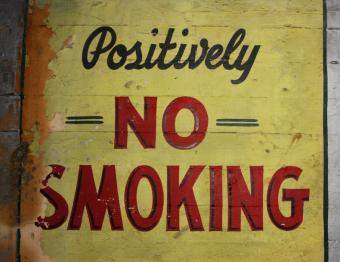
For some people, the only way to quit is to go cold turkey and simply stop. This method leads to a temporary and unpleasant bout of withdrawal, but it has worked for smokers who have exceptional willpower.
Be Prepared for Withdrawal

Withdrawal symptoms are inevitable, but they are only temporary if you stick with the program. You can expect some irritability, sleep disruption, headaches, increased coughing and more.
Drink a Lot of Water

Keeping hydrated helps flush nicotine out of your system quicker and lessens the effects of withdrawal. Taking vitamin C can also help break up mucus accumulation in your lungs and help rid you of smoker's cough.
Change Your Routine

If you're used to smoking during your coffee break or after lunch, try switching your routine to help pre-empt the cravings. You may also want to spend less time with friends who still smoke.
Use Anti-Smoking Aids

There are a variety of products on the market to help you quit smoking including nicotine patches, gums, lozenges and nasal sprays. If you choose any of these aids, be sure to use them according to the manufacturers directions and report any side-effects to your physician immediately.
Attend Anti-Smoking Programs

Search for motivational anti-smoking seminars in your area, or ask your family physician for a referral to a smoker's recovery support group.
Sign up for our newsletter featuring all the latest stories and products we love.
Try Alternative Therapies

Hypnotism and acupuncture are just a couple of alternative therapies some smokers use to help them kick the habit.
Never Give Up

The health benefits of giving up cigarettes are too great to ignore. If you stumble in your efforts to guit, just pick yourself up and start all over again. Kicking an addiction is never easy, but with persistence you can become smoke free.
Now learn more about smoking withdrawal symptoms.


