
With so many drug and alcohol treatment centers in the United States, it can be difficult to find the right one for you. Most people consider the location, but some other considerations include if it's women-only, men-only, or coed, and what is included in the program.
Northwest
Residence XII

Residence XII is a women-only treatment center for alcohol and chemical dependency treatment in near Seattle, Washington. It provides drug abuse/alcohol abuse assessments, residential treatment, intensive outpatient programs, family programs, and continuing care programs.
This center does not provide detoxification, and participants must be alcohol-free and drug-free for 72 hours before admittance into the facility is allowed. For more information about Residence XII, call 1-800-776-5944.
Reflections
Reflections is a coed treatment center in Novato, California offers 30, 60, and 90 day programs. Each client meets with a therapist for four or five sessions. Each client receives substance abuse counseling at least two times during his or her treatment. Group therapy and educational lectures are also part of the program.
This is a luxury residential drug and treatment center helping individuals with addiction and mental health disorders such as anxiety, depression, and PTSD. Call 800-611-7316 for more information about Reflections.
Southwest

The Arbor
The Arbor is featured on Intervention, which is a popular television show on the A&E network. It has a 12-step based alcohol and substance abuse disorder program delivered in two phases: 90-day residential treatment and then 12 months of aftercare services.
This center is located in Austin, Texas with 67 acres perfect for recreational activities. The center believes in a holistic approach to treatment, so they incorporate art, music, and outdoor activities as part of the program. For more information on The Arbor, call 866-568-9936.
Miramar
Miramar is a drug and alcohol rehab center for men and women, but gender separated because they believe treatment is more effective without distractions. Located in Laguna Beach, California, the center provides luxurious residential living options.
Customized treatment plans meet the needs of each client. Therapy and small group sessions are part of the treatment time, and other activities such as art, music, sports, fishing, and other hobbies are available during the rest of the day. Families are encouraged to join in treatment to support client's recovery. To learn more about Miramar, call 888-363-8721.
Midwest
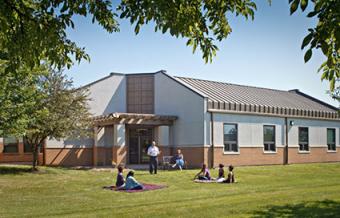
Gateway Foundation Alcohol and Drug Treatment
Gateway Foundation Alcohol and Drug Treatment is a coed substance abuse treatment center with 40 years of experience providing recovery services to the residents of Illinois. Program duration depends on the person, and outpatient services are available upon discharge.
There are 10 locations throughout the state, and most insurances are accepted. Learn about your addiction, what it takes to recover, and receive the therapy you need by qualified professional. To learn more about Gateway, call 877-505-HOPE.
Midwest Institute for Addiction
Midwest Institute for Addiction is located in St. Louis, Missouri. This coed alcohol and drug treatment center has inpatient and outpatient services. The treatment model is evidence-based and clients receive an individualized plan for recovery.
Services offered include detox, counseling, and education on addiction, fitness, and nutrition. For more information with a consultation, contact 314-569-2253. Financing is available for qualifying individuals.
Northeast
Clearbrook
Clearbrook is a coed treatment facility that offers many programs including detoxification. Medical professionals are on hand to help clients through the withdrawal process, and then licensed therapists are ready to heal the emotional and mental pain afterwards.
Programs follow the 12-step approach, and most last 28 days. Adolescents may be able to take advantage of the extended program, which lasts up to six months. Clearbrook has two locations in Pennsylvania in Shickshinny and Laurel Run. To find out more about each location contact them by calling 1-800-582-6241.
St. Jude Retreats
St. Jude Retreats is quite different from the typical drug and alcohol rehab facility. Instead of concentrating on treating a person with addiction, they see drug and alcohol abuse as a choice. Helping clients see that they have a decision in their life to seek their dreams or a substance can be quite powerful and inspirational to them.
They use social and educational approaches to free clients from their current mindset that alcohol and drugs are what they need in life. To learn more about this alternative treatment option in upstate New York, call 888-424-2626.
Southeast
Integrity Way Transformations Drug and Alcohol Treatment Center is located in Delray Beach, Florida. It offers Christian-based treatment for men and women. The program can last up to 90 days, with a minimum stay of 30 days.
Clients receive an individualized treatment plan and through three phases. In phase one, clients will have a counseling session twice a week to learn about their addiction. In phase two, clients work with a counselor to learn life and career skills. In phase three, clients secure employment and work with a counselor three times a week. Upon discharge, clients are able to participate in an aftercare program, which includes meetings three times a week.
During treatment, everyone enjoys private rooms, a swimming pool and Jacuzzi, tennis and racquetball courts, picnic areas, and the Internet. To learn more about recovering from addiction at Transformations, call 866-211-5538.
Wilmington Treatment Center
Wilmington Treatment Center is for men and women suffering from addiction and/or mental health issues. There are three treatment centers throughout North Carolina and South Carolina. Programs include detoxification, inpatient, outpatient, day treatment and aftercare.
All centers use a 12-step model focusing on personal growth. Short-term programs last less than 30 days, while long term ones are more than 30 days. To learn more about this treatment center based in Wilmington, North Carolina, call 877-795-9682.
Free Yourself from the Chains of Addiction
You have what it takes to walk away from drug and alcohol dependence. All you need is the help of a treatment center that specializes in providing the therapy and care you need to take the next step in your life. Call treatment centers to learn more about them until you find the one that fits your needs the best, so you can successfully leave your addiction behind to start a new life without alcohol and drugs.


